Condo cleaning around a home office in downtown Toronto
Only have 30 seconds?
- Identify a time window for the desk area and one backup task if you are still using it.
- Say whether the cleaner should leave the desk untouched, clean only clear areas or include the room fully.
- Gather private papers, secure work devices and agree on how the cleaner should ask a question during a call.
- Start at the DowntownMaid.ca home page to check local service information.
Identify the workspace by how you use it
A downtown condo home office might be a separate room, a desk along the living-room wall or one end of the dining table. A cleaner can work around it more easily when you explain where the workspace begins and ends. “Leave my office alone” can be clear if it means a closed room, but it leaves questions when the office is part of an open living area. Say whether the instruction applies to the desk, the chair, the floor underneath or the whole side of the room.
Consider what you use throughout the day. If you move from a desk to the dining table to take calls, tell the cleaner which location you expect to occupy at each point in the visit. You can arrange to finish a call in one room and move when the cleaner reaches that stage. If your work involves a fixed setup that cannot be moved, agree in advance on the area that needs to remain clear. Use the recurring maid service guide to think through which instructions belong in the standing notes for every visit.
Give the same instructions to anyone else who shares the condo. A partner may assume a room is available while you have planned to use it for a confidential call. A short shared note can say who is in the room, which part is available and when the cleaner should move on. If several people work from home, identify one person who can confirm changes. That gives the cleaner a point of contact without requiring several interruptions to resolve the same question.
Divide the work into quiet and noisy windows
Review your schedule for calls, recordings and meetings, then mark windows when background noise would be less disruptive. Next tell the cleaner whether you can leave your usual workspace briefly or need to stay there through the visit. Ask which tasks the provider can reasonably do at a different point in its route. A change that works in one layout may be harder in a small unit where the cleaner needs to cross the meeting area to reach supplies or another room.
Imagine that you have a meeting from 10 to 11, with the cleaner expected at 10:30. You might arrange for them to start in the bathroom and kitchen while you use the desk. If those rooms are near the desk or the workspace shares a wall with the bathroom, ask which tasks are likely to be audible. A brief quiet period from 10:30 to 11 will be easier to confirm if both sides know what work could still happen during it. Discuss the expected finish time before agreeing to a new sequence.
Ask the cleaner what to do if the meeting runs long. It could be more practical to skip vacuuming around the desk that day and complete another agreed task than to have someone waiting. If your booking has a defined end time, decide which items can be deferred and when they should return to the schedule. The cleaner may have another booking afterward. Build the backup around tasks that fit the visit you actually arranged.
Mark which surfaces and belongings can be touched
A desk can hold client material, a laptop, a second screen, medication, glasses, charging cables and everyday objects close together. Remove private or fragile belongings from areas you want cleaned and say where the cleaner should stop. For a surface with devices still on it, ask whether the provider can clean the clear portion. Give any special instructions before the visit and ask what the provider is comfortable doing. Agreement is more reliable than assuming electronics are included in a general dusting task.
Some instructions are easier to follow when you identify the item rather than its purpose. “Leave the two trays and anything in them where they are” is easier to act on than “Do not move important documents.” If you want the cleaner to tidy a shelf but leave certain items in their usual order, describe the shelf and point out anything that must remain in place. Use the same terms each time so a relief cleaner can follow the note as easily as someone who knows the unit.
Think about what can sit in a stable place until the visit ends. A box for papers and a designated area for devices may help clear the surface while keeping the items easy to find afterward. If you want the floor cleaned around power cords, disclose which items should stay unplugged or undisturbed and move anything you can move safely yourself. Ask the cleaner to leave the floor around equipment alone if there is no agreed way to reach it. The downtown condo cleaning guide can help you decide what to include beyond the office area.
Set a way to communicate while you work
Give the cleaner a way to ask a question that fits your work. You might arrange to check messages at a meeting break or agree to talk just before the cleaner reaches the office. If the cleaner should contact someone else at the unit while you are unavailable, check that the other person knows the new order and what they are allowed to approve. A method that requires an immediate reply can be difficult to use during a call.
Tell the cleaner what they may do if they cannot reach you. You might ask them to finish the kitchen, leave a closed room alone and record which office task was deferred. If finishing the room is essential for that appointment, give yourself a short window to check in. The decision can be different for an occasional deep clean and a regular maintenance visit. When fitting it into a recurring schedule, retain a standing arrangement but send a fresh message when that day’s work pattern changes.
If a cleaner needs to enter the unit while you are occupied, decide who will admit them and how they will identify the booking. Check the building’s visitor procedure where it applies. Avoid putting a permanent access code into an office note that will be left out or reused. Agree with the provider how to share instructions, and update them separately if access changes. Good access notes identify the right entrance and the person expecting the visit.
Plan the approach at your downtown Toronto address
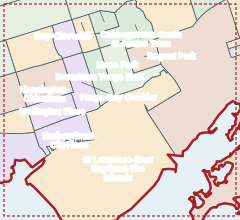
Use the street address, unit, postal code and nearest intersection when confirming the visit. In St. Lawrence, for example, a Front Street East address may have a residential door that is distinct from the loading entrance. A street name gives the cleaner a starting point. The building's own visitor instructions explain where they can enter and who will clear them to go upstairs. Confirm availability for that address through the DowntownMaid.ca service area page.
- Parking and loading. Ask the building where a service provider may stop legally and whether visitor parking or a loading space must be booked. Give the cleaner the entrance and expected walking route for carrying supplies.
- Accessibility. Mention stairs, heavy doors, a restricted elevator or a route that must stay open. Confirm who can help with entry and where the cleaner can set down supplies without blocking a household route.
- Transit and arrival. If the cleaner is travelling by TTC or you are returning from an office to admit them, agree on the entrance and the way you will share an arrival update. Allow enough time for any concierge sign-in process.
When working from home, it is easy to remember the unit and forget the approach to it. Think about how the cleaner will find the residential entrance, whether the person at the desk will recognize the booking, and how you will confirm arrival while on a call. If you cannot meet the cleaner yourself, give them a backup contact who can. Keep the building details separate from your housekeeping instructions so someone can find either quickly.
Make the plan work after the first visit
After the first clean, take a minute to check what was completed around the desk and what was deferred. Tell the provider if you want the same arrangement repeated or if a small change would work better. Perhaps you expected the vacuuming to be distracting but could barely hear it from the next room. Or you may discover that the cleaner needs the desk chair moved before they can reach the floor. Use your own experience and the provider’s feedback to adjust the standing notes.
If a different cleaner will attend next time, ask the provider to include the agreed instructions in the booking handoff. A room name can be ambiguous to someone who has never entered the unit, so include a phrase such as “the first door on the right” or “the desk beside the balcony window.” Give the cleaner the access and task details they need and keep work documents and account information out of the handoff.
A workspace can change from week to week. A new monitor, a temporary paper project or a change in call schedule may affect which parts of the room are available. Update only the relevant instruction. If you always want the cleaner to leave the desk and its equipment alone, put that in the recurring instructions. If the guest-room desk will be occupied only this Thursday, note the date so the exception does not carry forward to every visit.
You can send a concise confirmation like this: “I will be on a call until 11. Please start with the bathroom if that works with your route. The desk surface and cables should stay untouched, but the floor beside the chair can be cleaned after the call. If I’m still in the office at 11:15, please leave the floor there for next time and finish the agreed kitchen tasks. I’ll check messages at 11.”
That message identifies a schedule, a boundary and a decision the cleaner can make without interrupting your work. If the provider proposes a different order, confirm what it can cover within the visit. The arrangement is ready when both sides can point to the workspace, the tasks included and the next step if the schedule changes.